Modern civilization depends on infrastructure that often operates far from human oversight. Remote pumping stations, electrical substations, and oil wellheads form the silent backbone of our water, power, and energy systems. The critical challenge is ensuring these unmanned sites function continuously amidst environmental extremes, connectivity gaps, and potential faults. This has catalyzed the evolution of a pivotal device: the industrial smart gateway switch. Moving beyond basic connectivity, this converged platform is engineered for autonomous reliability. This article delves into the core design principles that enable such gateways to become the self-reliant guardians of remote infrastructure.
The Pillars of Autonomous Operation in Harsh Environments
Reliability in remote sites is not a single feature but a system-wide philosophy built on multiple interdependent pillars. These pillars ensure the gateway itself remains the most resilient node in the network.
Hardware Ruggedization and Environmental Endurance
The foundation is physical robustness. Engineering for locations with temperature swings from -40°C to +85°C requires industrial-grade components, conformal coatings, and passive or fanless cooling designs. An IP40-rated metal enclosure is standard, protecting against dust and moisture. Wide voltage input (e.g., DC 12-54V) accommodates unstable power sources, while high MTBF ratings, often exceeding 500,000 hours, are targeted. This hardened design ensures the gateway survives long before the first byte of data is processed.
Multi-Layer Redundancy and Network Self-Preservation
Connectivity is the lifeline. A self-reliant gateway eliminates single points of failure through layered redundancy. This includes dual, hot-swappable power inputs and diverse communication paths. Crucially, it integrates advanced L2/L3 switching capabilities with multiple WAN uplinks. The gateway can manage a primary fiber link, a 4G/5G cellular backup, and even a satellite or Wi-Fi link concurrently. Using protocols like RSTP or ERPS (G.8032), it can detect a fiber cut in milliseconds and reroute data through the cellular channel seamlessly, maintaining the integrity of the local monitoring system without intervention.
Intelligent Edge Processing and Data Integrity
True autonomy requires local intelligence. By incorporating multi-core processors and ample memory, these gateways perform vital edge computing. This includes aggregating and filtering data from dozens of field sensors (via RS-485, IO, or connected switches), running local analytics to detect anomalies, and converting legacy industrial protocols like Modbus into standardized IT-friendly formats like MQTT. This preprocessing reduces upstream bandwidth use by over 70%, ensures critical alerts are prioritized and sent immediately, and allows the site to operate meaningfully even during extended cloud connectivity loss.
Architecting the Self-Healing Monitoring System
A reliable gateway is the cornerstone of a resilient monitoring system. Its design enables a shift from periodic polling to a proactive, self-aware network architecture.
From Data Aggregation to Predictive Insight
Modern gateways do more than collect data; they contextualize it. By hosting containerized applications or AI models, they can analyze time-series data from vibration sensors, flow meters, or transformers on-site. For instance, a gateway at a pump station can learn normal operational signatures and flag subtle deviations in current or pressure that precede a failure, triggering a maintenance alert weeks before a catastrophic breakdown. This predictive capability transforms the monitoring system from a historical ledger into a forward-looking diagnostic tool.
Secure and Autonomous Management
Remote management must be robust yet secure. These gateways support secure protocols like SSHv2, HTTPS, and SNMPv3 for encrypted configuration and monitoring. Crucially, they offer remote firmware updates and configuration rollback capabilities. If a new update causes instability, the gateway can autonomously revert to the last known stable configuration, ensuring the site never remains in a bricked state. This self-recovery capability is vital for maintaining service level agreements across thousands of dispersed assets.

Comparative Analysis: Traditional RTU vs. Modern Smart Gateway Switch
The evolution from traditional Remote Terminal Units (RTUs) to smart gateway switches represents a paradigm shift in remote site management. The table below contrasts their key attributes.
| Design Aspect | Traditional RTU / Basic Gateway | Modern Industrial Smart Gateway Switch |
|---|---|---|
| Primary Role | Data concentration & simple protocol conversion | Data integration, edge computing, & network switching |
| Connectivity | Often single WAN, limited LAN ports | Multi-WAN (Fiber, 4G/5G, Wi-Fi), integrated multi-port switch (e.g., 8+ GbE) |
| Fault Response | Manual intervention required | Automated link/path switching via ERPS/RSTP, device-level redundancy |
| Data Handling | Raw data pass-through | On-board processing, filtering, analytics, and protocol translation |
| Management | Local configuration or basic remote access | Full remote lifecycle management (monitor, configure, update, recover) |
| Operational Outcome | Reactive monitoring, high operational workload | Proactive, predictive oversight, significantly reduced OPEX |
Levinlink Smart Gateway Switch Product
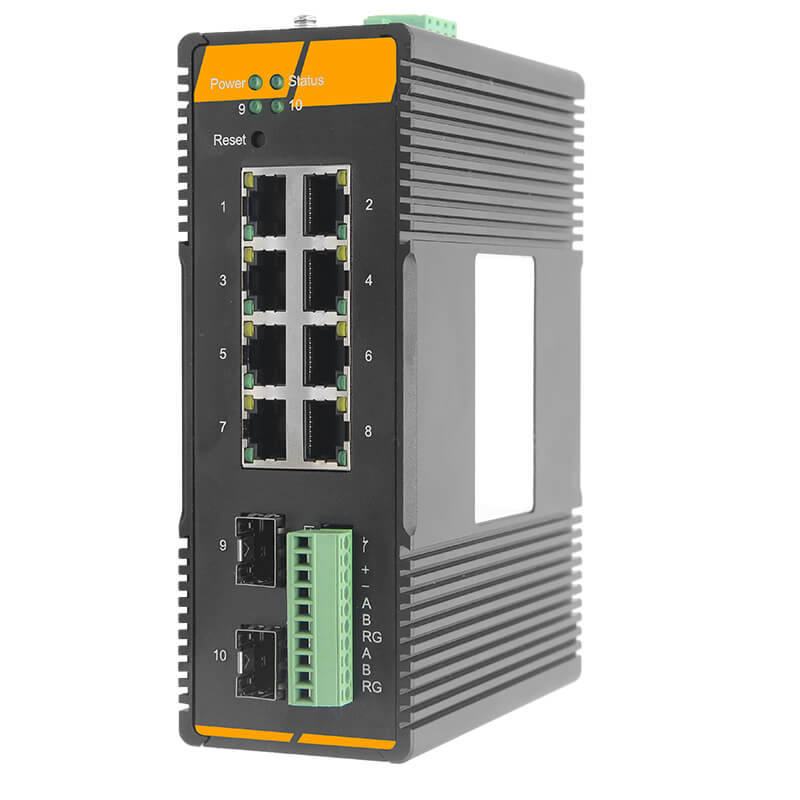
Industrial IoT Smart Gateway Managed Ethernet Switch 8×10/100/1000Base-TX Ports+2xRS-485\232\422 Ports+2xDI/DO Ports+2x1000Base-FX SFP Slots
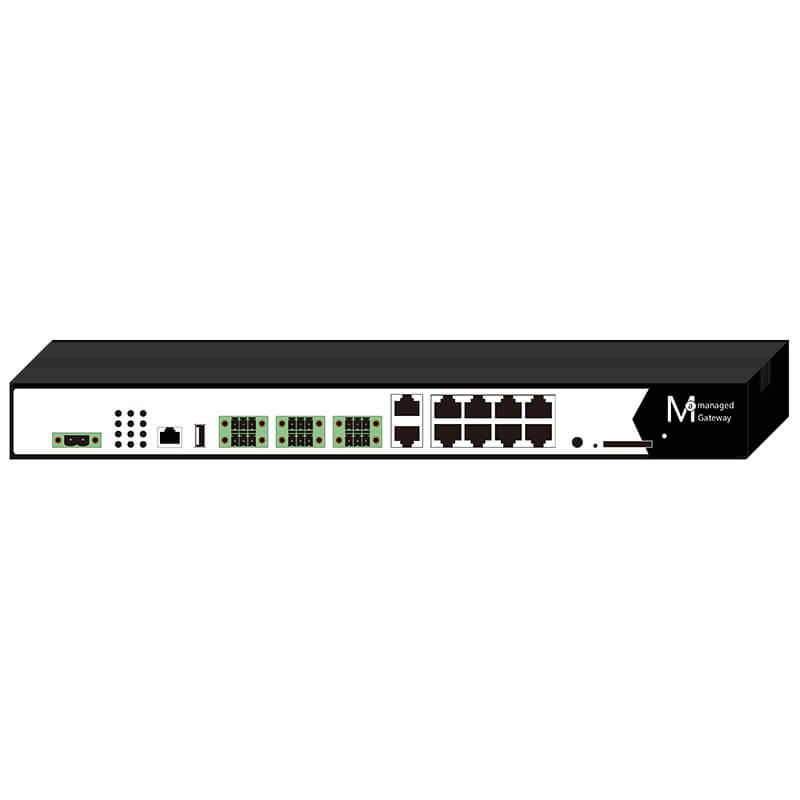
Industrial IoT Smart Gateway Ethernet Switch With 10×10/100/1000Base-T Ethernet ports + 4 x RS485 Ports
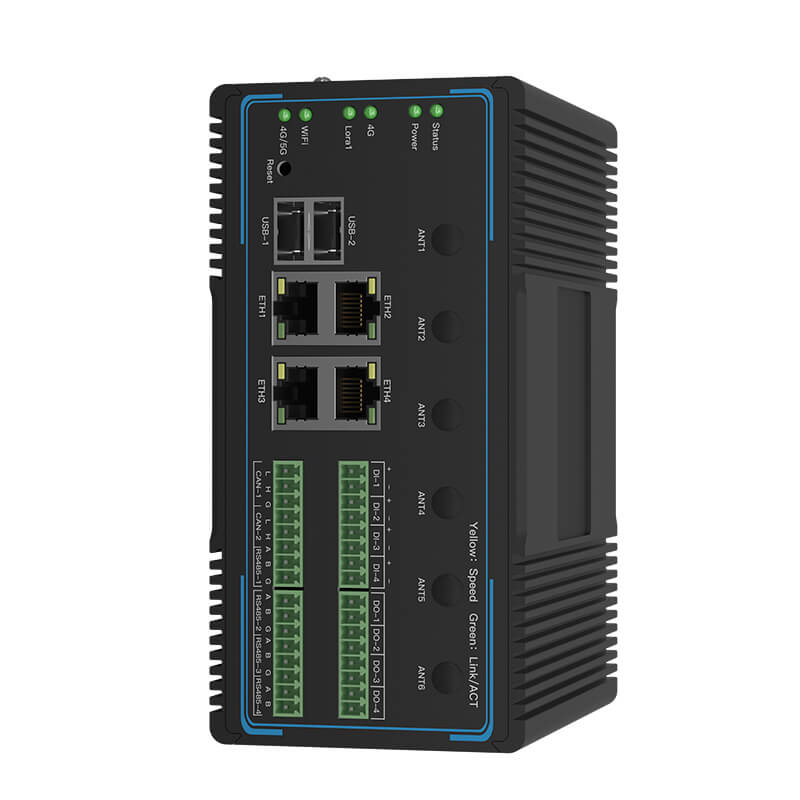
Industrial Edge IoT Gateway Ethernet Switch With 4*10/100/1000Base-T Ports +4* RS485 Ports + 2* CAN Ports
Implementing a Future-Proof Remote Monitoring Strategy
Adopting this new generation of gateways is a strategic decision. A phased implementation, beginning with the most critical and vulnerable sites, allows for validation and skill building. The focus should be on designing the entire data flow: defining what data is processed at the edge versus what is sent to the cloud, setting granular alert policies, and mapping all network redundancy paths.
Ultimately, engineering self-reliant smart gateways is about building resilience into the very fabric of critical infrastructure. By integrating robust hardware, intelligent software, and redundant networking into a single platform, these devices ensure that even when no one is watching, the systems that sustain our society continue to operate with unwavering reliability. This is not merely an improvement in technology; it is a fundamental step towards securing our essential resources for the future.