Understanding the Differences Between 4G and 5G
The world of mobile technology is evolving rapidly, and one of the most significant changes in recent years is the transition from 4G to 5G. This shift represents not just an incremental improvement but a transformative leap in how we connect and interact with the digital world. If you’re wondering what the fuss is all about and what these terms actually mean, you’re not alone. Understanding these technologies can help you appreciate the potential they hold for future innovations and their impact on everyday life. This article will break down the differences between 4G and 5G in simple terms, helping you understand how this new technology could impact your life. As we delve deeper into the specifics, you’ll gain insights into why this transition is pivotal for both personal and professional spheres.
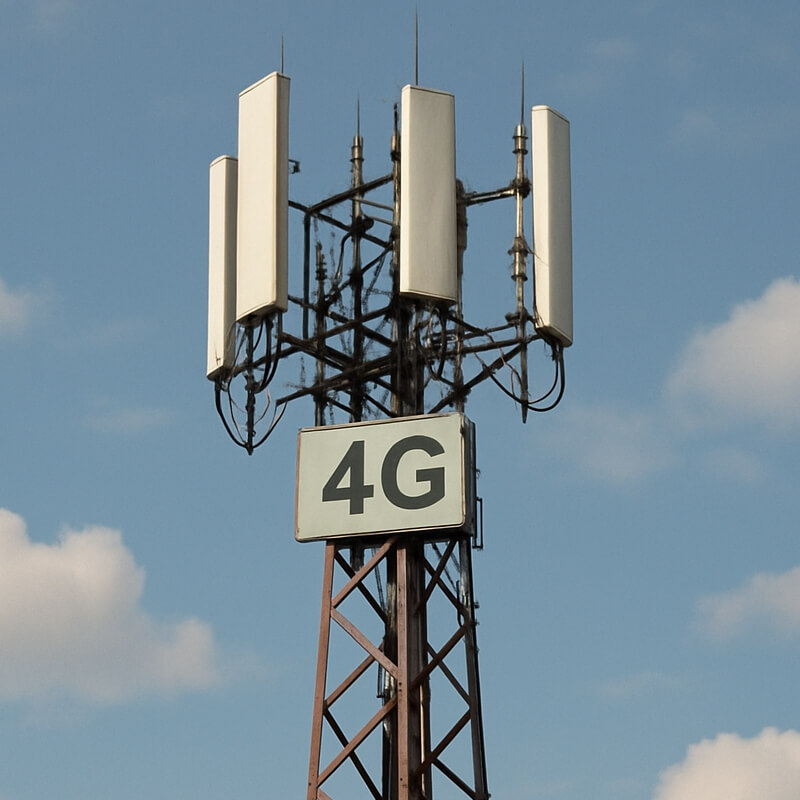
4G stands for “fourth generation” and is a type of technology used for mobile communication. It marked a significant evolution from 3G, offering faster internet speeds, better connectivity, and improved overall performance for mobile devices. 4G technology facilitated a new era of mobile internet use, enhancing how we stream videos, play games, and access online services. It has been the backbone of mobile communications for nearly a decade, underpinning the mobile experiences of billions of users worldwide. With its robust infrastructure, 4G made it possible for smartphones and tablets to become indispensable tools for work, entertainment, and communication.
Features of 4G
- Speed: 4G networks can provide internet speeds of up to 100 megabits per second (Mbps) for mobile users and up to 1 gigabit per second (Gbps) for stationary devices like home routers. This was a monumental improvement over previous generations, allowing for high-quality video streaming and fast downloads.
- Latency: This refers to the time it takes for data to travel from one point to another. 4G networks have lower latency than 3G, making tasks like video streaming and online gaming smoother. This improvement in responsiveness significantly enhanced user experience, allowing for more interactive applications.
- Capacity: 4G can support more devices at once, which is crucial as the number of mobile users continues to rise. This capability has been essential in accommodating the growing demand for mobile internet, as more devices become connected.
What is 5G?
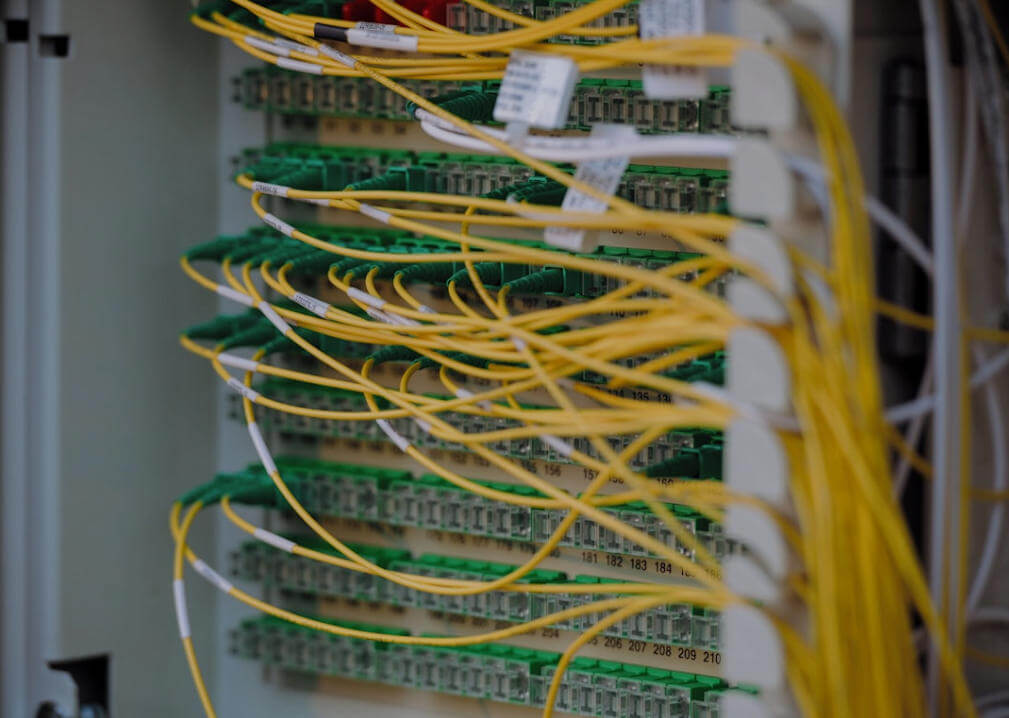
5G stands for “fifth generation” and is the latest advancement in mobile technology. It’s designed to be faster, more reliable, and capable of handling more devices than ever before. Unlike its predecessors, 5G represents a paradigm shift in network capabilities, moving beyond mere speed enhancements. 5G is not just an upgrade; it’s a complete overhaul of the mobile network, promising to revolutionize industries and redefine what is possible with mobile connectivity. This new generation is set to support a diverse range of applications, from smart cities to enhanced virtual reality experiences.
Features of 5G
- Speed: 5G is significantly faster than 4G, with speeds expected to reach up to 10 Gbps. This means downloading a full-length HD movie could take seconds rather than minutes, fundamentally changing how we consume media.
- Latency: 5G promises ultra-low latency, around 1 millisecond. This is crucial for applications requiring real-time responses, such as autonomous driving or remote surgery, where even a slight delay could be critical.
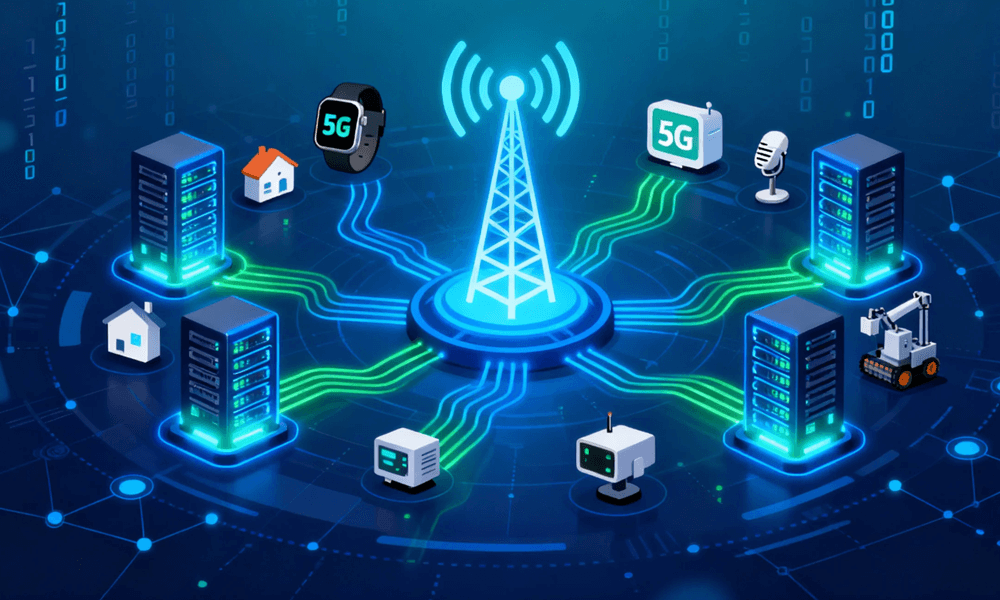
- Capacity: With its advanced network capabilities, 5G can support a vast number of devices, enabling the growth of the Internet of Things (IoT) where everyday objects connect to the internet. This increased capacity will facilitate the seamless integration of connected devices in our daily lives.
How Do 4G and 5G Differ?
Speed
One of the most obvious differences between 4G and 5G is speed. While 4G was a significant improvement over 3G, offering faster data transfer rates, 5G takes it to the next level. With speeds up to 100 times faster than 4G, 5G allows for instant downloads and seamless streaming. This leap in speed will enable new possibilities in mobile applications, such as high-definition video conferencing and cloud gaming, where data-heavy tasks can be performed smoothly and without interruption.
Latency
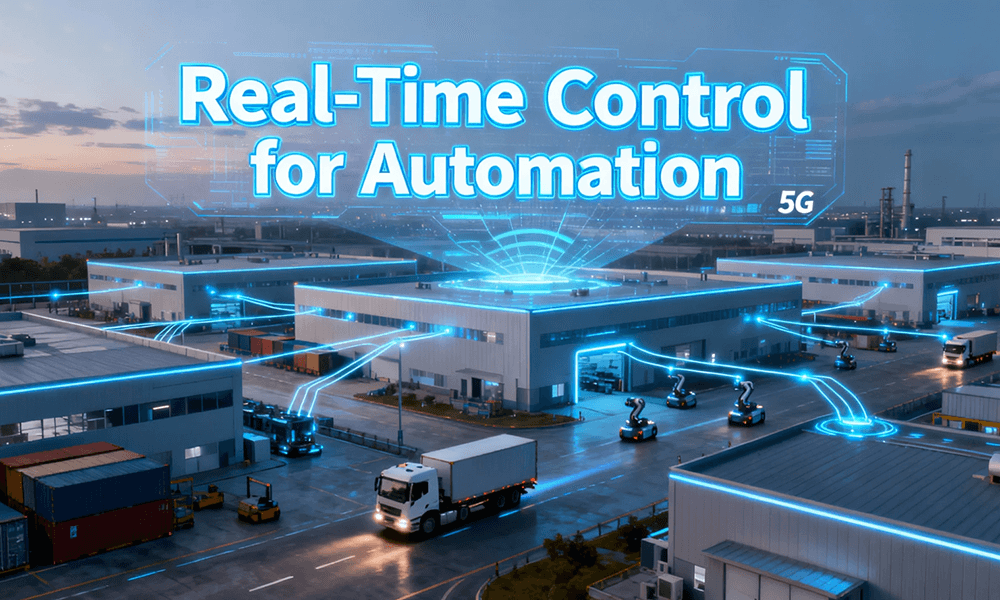
Latency is another area where 5G excels. The lower latency of 5G networks means that data is transmitted almost instantly. This is essential for technologies that require real-time communication, such as virtual reality (VR) and augmented reality (AR). These applications rely on quick data exchanges to provide immersive and interactive experiences. Lower latency is also critical for industrial applications, where precise timing can enhance efficiency and safety.
Network Capacity
5G networks can handle more devices simultaneously compared to 4G. This increased capacity is vital as more devices become internet-enabled, from smart home gadgets to connected cars. As the number of connected devices grows, 5G will ensure that networks remain fast and reliable even in densely populated areas. This capability will support the proliferation of IoT devices, transforming how we manage resources, from energy consumption to traffic flow.
Real-World Applications of 5G

Enhanced Mobile Broadband
With 5G, mobile broadband will be faster and more reliable. Users can enjoy high-definition streaming, quick downloads, and smooth online gaming without interruptions. Enhanced mobile broadband will also facilitate new business models and opportunities, enabling more sophisticated mobile applications and services that were previously not feasible.
Internet of Things (IoT)
5G’s ability to connect a multitude of devices at once makes it ideal for IoT. Smart homes, wearable technology, and even smart cities will benefit from the enhanced connectivity. This connectivity will lead to smarter, more efficient systems that can improve quality of life, from energy-efficient buildings to intelligent transportation systems.
Autonomous Vehicles
5G’s low latency and high reliability are crucial for autonomous vehicles. Real-time data transmission will enable these vehicles to communicate with each other and make split-second decisions, improving safety and efficiency. This technology will pave the way for the widespread adoption of autonomous transportation, potentially reducing accidents and traffic congestion.
Remote Healthcare
5G can revolutionize healthcare by enabling remote surgeries and consultations. With reliable high-speed connections, doctors can perform procedures from afar with precision. This capability will expand access to medical expertise, allowing patients in remote locations to receive quality care without the need to travel.
Challenges and Considerations
Despite its advantages, 5G is not without challenges. The rollout of 5G networks requires significant infrastructure changes, including the installation of new antennas and base stations. This can be costly and time-consuming. Moreover, the complexity of 5G technology demands a new level of technical expertise and coordination among stakeholders to ensure successful deployment.
Additionally, there are concerns about the potential health effects of 5G radiation, although research is ongoing, and no conclusive evidence has been found. Public perception and regulatory hurdles must be managed carefully to ensure widespread acceptance and adoption. Addressing these challenges will be critical to realizing the full potential of 5G technology.
Conclusion
In summary, the transition from 4G to 5G is a leap forward in mobile technology, offering faster speeds, lower latency, and greater capacity. These improvements will enable new applications and technologies, transforming how we live and work. Whether you’re streaming a movie, driving an autonomous car, or receiving medical care remotely, 5G promises to make it all possible, faster, and more efficiently than ever before. As we stand on the brink of this new era, the potential for innovation seems boundless, with 5G set to redefine our expectations of connectivity.
As 5G continues to roll out globally, it’s an exciting time for technology enthusiasts and everyday users alike. Stay informed, and be ready to embrace the future of connectivity. The journey from 4G to 5G will not only enhance our current experiences but also unlock possibilities we have yet to imagine, setting the stage for a connected future where technology seamlessly integrates into every aspect of our lives.