In today’s fast-paced industrial world, smart manufacturing is revolutionizing the way products are made. At the heart of this transformation is the ability to monitor and control data in real time. This capability is powered by advanced network solutions that enable seamless communication and data analytics. Understanding how these network solutions work can help businesses enhance efficiency, reduce downtime, and stay competitive. The integration of these technologies not only facilitates smoother operations but also paves the way for innovation in manufacturing processes.
As the demand for high-quality products and faster production times increases, the role of network solutions becomes even more critical. These solutions allow manufacturers to create a more interconnected environment where data flows freely across various systems. This interconnectedness supports the rapid pace of production required in today’s markets, ensuring that manufacturers can meet customer demands effectively and with precision.
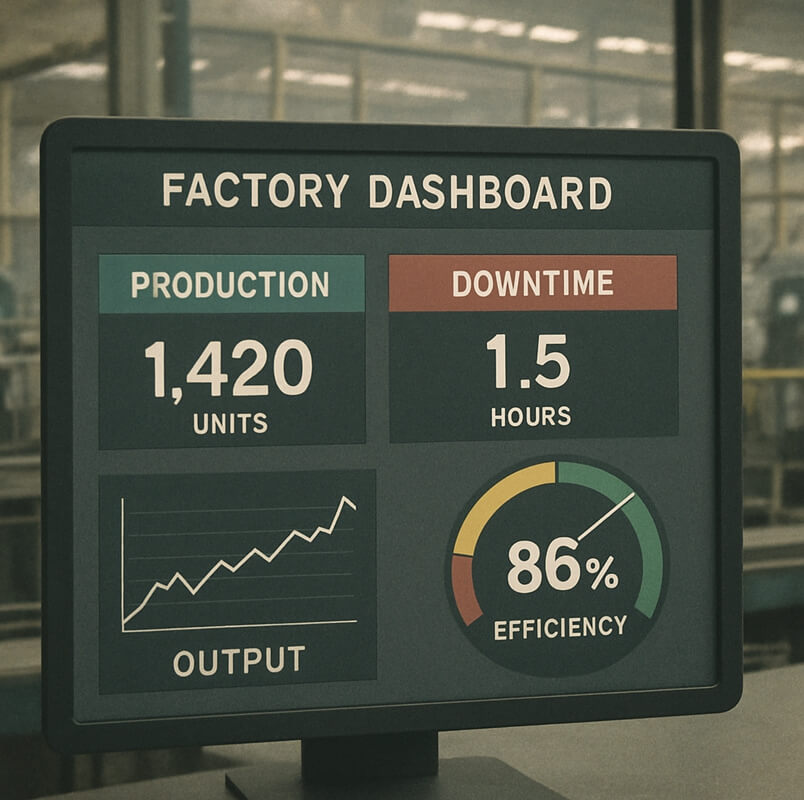
Data analytics is crucial in smart manufacturing. It involves collecting, processing, and analyzing data to make informed decisions. In smart manufacturing, data analytics helps in monitoring production processes, predicting maintenance needs, and optimizing operations. This analytical approach empowers manufacturers to not only maintain the quality of their products but also to enhance their production methodologies over time.
Beyond just optimizing operations, data analytics plays a pivotal role in strategic planning. By understanding the nuances of production data, manufacturers can forecast trends, allocate resources more efficiently, and develop more robust strategies for tackling potential challenges. This level of insight is invaluable in maintaining a competitive edge in a rapidly evolving industrial landscape.
Real-Time Monitoring and Its Importance
Real-time monitoring refers to continuously observing and analyzing data as it is generated. This process allows manufacturers to quickly identify and respond to issues, reducing downtime and increasing productivity. For example, if a machine starts operating outside of its normal parameters, real-time monitoring can alert operators to take immediate corrective actions. This proactive approach minimizes potential disruptions and ensures that production lines run smoothly.
The importance of real-time monitoring extends beyond immediate problem-solving. It also provides a wealth of data that can be used to improve future operations. By analyzing real-time data, manufacturers can identify inefficiencies and implement changes that enhance overall productivity. Moreover, real-time monitoring supports better resource management by enabling manufacturers to adjust inputs dynamically according to current production needs.
Enhancing Decision Making
With data analytics, manufacturers can make better decisions. By analyzing data, they can identify patterns and trends, which can inform strategic decisions. For instance, data might reveal that a particular machine is prone to failures, prompting the need for preventive maintenance. This level of insight helps in minimizing risks and ensuring consistent production quality.
Furthermore, enhanced decision-making capabilities can lead to significant cost savings. By understanding the intricacies of their operations, manufacturers can streamline processes, reduce waste, and allocate resources more effectively. Data-driven decisions also facilitate innovation by providing a solid foundation for testing new ideas and strategies, ultimately leading to more sustainable and profitable manufacturing practices.
Network Solutions: The Backbone of Real-Time Data Monitoring
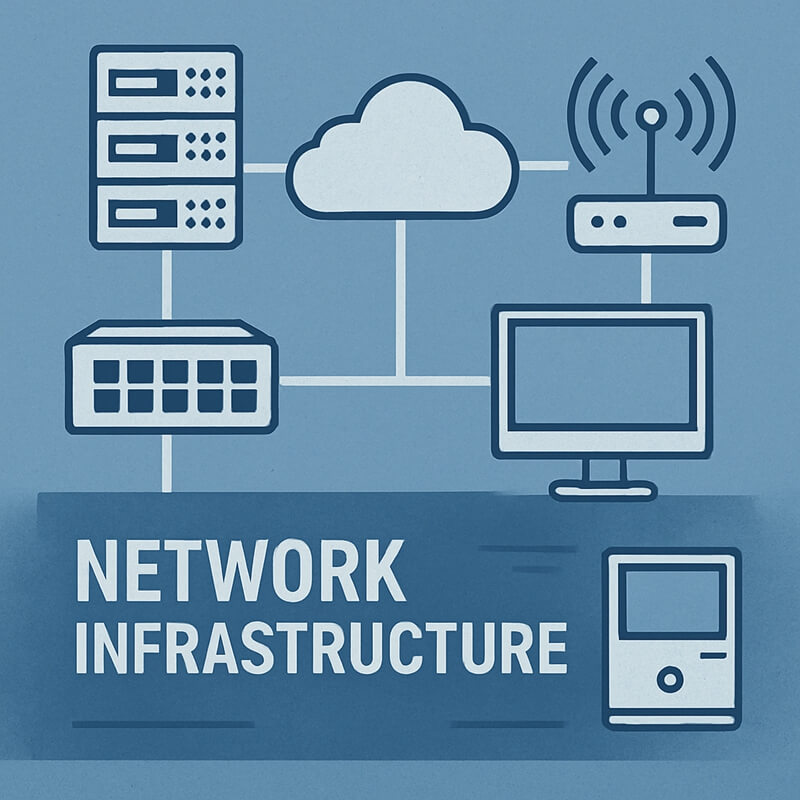
Network solutions play a critical role in enabling real-time data monitoring and control in smart manufacturing. They ensure that data is transmitted quickly and securely across different parts of a manufacturing facility. This robust infrastructure supports the seamless exchange of information, which is essential for maintaining the high standards of modern manufacturing.
The reliability of network solutions is paramount, as any disruption can lead to significant production losses. Manufacturers rely on these networks to maintain connectivity across various systems, ensuring that every component of the production process is synchronized. This level of integration not only enhances operational efficiency but also supports more agile and responsive manufacturing practices.
Types of Network Solutions
- Wired Networks: These are traditional networks that use cables to connect devices. They are known for their reliability and speed, making them suitable for data-intensive applications. Wired networks are often preferred in environments where data security and stability are top priorities, as they provide a consistent and secure connection.
- Wireless Networks: These networks use wireless signals to connect devices. They offer flexibility and are easier to install and expand compared to wired networks. However, they can be susceptible to interference. Despite potential drawbacks, wireless networks are ideal for dynamic environments where mobility and quick scalability are essential.
- Hybrid Networks: These combine wired and wireless technologies to provide a balanced solution. They offer the reliability of wired networks with the flexibility of wireless connections. Hybrid networks are increasingly popular as they provide a customizable approach, allowing manufacturers to tailor their network infrastructure to specific operational needs.
Ensuring Data Security and Integrity
Security is a major concern in smart manufacturing. Network solutions must ensure that data is protected from unauthorized access and tampering. This involves implementing security protocols like encryption and using secure communication channels. Ensuring data integrity is crucial for maintaining trust in the system and protecting sensitive information.
In addition to technical measures, manufacturers must also adopt comprehensive security policies and regular audits to safeguard their networks. Training employees on cybersecurity best practices is equally important to prevent breaches caused by human error. By prioritizing data security, manufacturers can protect their operations and maintain a strong reputation in the industry.
Benefits of Network Solutions in Smart Manufacturing
Improved Efficiency
Network solutions enhance efficiency by enabling seamless communication between different parts of the manufacturing process. This integration allows for better coordination and reduces the time required to complete tasks. As a result, manufacturers can achieve higher throughput and meet production targets more consistently.
Furthermore, improved efficiency translates to cost savings. By reducing delays and optimizing workflows, manufacturers can lower operational expenses and increase profitability. This efficiency also supports more sustainable practices, as resources are utilized more effectively and waste is minimized.
Improved Efficiency
By enabling real-time monitoring and predictive maintenance, network solutions help reduce downtime. Machines can be serviced before they fail, preventing unexpected breakdowns and costly repairs. This proactive maintenance strategy not only extends the lifespan of equipment but also ensures uninterrupted production.
Reduced downtime also enhances overall productivity, as resources are not wasted on unplanned maintenance. By minimizing disruptions, manufacturers can maintain a steady pace of production, leading to better fulfillment of customer orders and improved satisfaction.
Improved Efficiency
Network solutions can be easily scaled to accommodate growing manufacturing needs. As production increases, additional devices can be integrated into the network without significant disruptions. This scalability is essential for manufacturers looking to expand their operations and adapt to changing market demands.
The flexibility of network solutions also supports innovation and experimentation. Manufacturers can quickly implement new technologies and processes, allowing them to stay ahead of competitors. This adaptability is crucial in an industry characterized by rapid technological advancements and shifting consumer preferences.
Implementing Network Solutions in Smart Manufacturing
Implementing network solutions in a manufacturing facility involves several steps. It starts with assessing the current infrastructure and identifying areas that need improvement. This is followed by selecting the appropriate network technology and planning its deployment. A well-executed implementation plan ensures a smooth transition and maximizes the benefits of the new network.
Successful implementation also requires collaboration between different departments and stakeholders. By involving IT, operations, and management teams, manufacturers can develop a comprehensive strategy that aligns with their overall business objectives. This collaborative approach fosters a culture of innovation and continuous improvement.
Steps for Implementation
- Assessment: Evaluate the existing network infrastructure to identify bottlenecks and areas for improvement. This step is crucial for understanding the current capabilities and limitations of the network, providing a solid foundation for future upgrades.
- Planning: Develop a comprehensive plan that outlines the network architecture and the technologies to be used. This plan should consider both immediate needs and long-term goals, ensuring that the network can support future growth and technological advancements.
- Installation: Set up the network infrastructure, including routers, switches, and access points. Proper installation is essential for ensuring optimal performance and reliability, minimizing potential issues down the line.
- Testing: Conduct thorough testing to ensure that the network meets performance and security requirements. Testing helps identify any vulnerabilities or inefficiencies, allowing for adjustments before full deployment.
- Monitoring: Continuously monitor the network to detect and resolve issues promptly. Ongoing monitoring is vital for maintaining the integrity and performance of the network, supporting continuous improvement and adaptation.
Challenges and Solutions
Interference and Connectivity Issues
Wireless networks can face interference from other electronic devices. To mitigate this, manufacturers can use technologies like frequency hopping and directional antennas to improve connectivity. These solutions help maintain a stable connection, ensuring that data is transmitted reliably across the network.
In addition to technical solutions, manufacturers should also consider environmental factors that may affect connectivity. By optimizing the placement of network devices and minimizing sources of interference, they can enhance the overall performance of their wireless networks.
Data Privacy Concerns
Data privacy is another challenge in smart manufacturing. Manufacturers must comply with data protection regulations and ensure that sensitive information is not exposed. Implementing robust security measures and maintaining transparency with stakeholders are essential for building trust and compliance.
Regular audits and updates to security protocols can help address potential vulnerabilities and keep pace with evolving threats. By prioritizing data privacy, manufacturers can safeguard their operations and maintain a positive reputation in the industry.
Cost Considerations
Implementing network solutions can be costly, but the long-term benefits often outweigh the initial investment. Manufacturers should consider the return on investment when planning network upgrades. By focusing on strategic investments that align with business goals, they can maximize the value derived from their network infrastructure.
In addition, manufacturers can explore financing options and partnerships to manage costs effectively. By leveraging external expertise and resources, they can implement network solutions more efficiently and economically.
Future Trends in Network Solutions for Smart Manufacturing
As technology evolves, network solutions for smart manufacturing will continue to improve. Emerging trends include the use of 5G technology, which promises faster speeds and lower latency, and the integration of artificial intelligence to enhance data analytics capabilities. These advancements will further transform manufacturing processes, enabling even greater efficiency and innovation.
The future of network solutions will also be shaped by the increasing importance of sustainability and resilience. As manufacturers seek to reduce their environmental impact and adapt to global challenges, network solutions will play a critical role in supporting sustainable practices and ensuring operational continuity.
The Role of 5G Technology
5G technology offers significant improvements in terms of speed and latency. This will enable even more sophisticated real-time monitoring and control, allowing manufacturers to respond even faster to changes in production conditions. The enhanced capabilities of 5G networks will support the deployment of advanced technologies such as the Internet of Things (IoT) and augmented reality (AR) in manufacturing.
Moreover, 5G technology can facilitate more efficient resource management by providing detailed insights into energy consumption and other operational metrics. This level of visibility supports more sustainable and cost-effective manufacturing practices, aligning with broader industry trends towards environmental responsibility.
Artificial Intelligence and Machine Learning
Artificial intelligence and machine learning are set to play a larger role in data analytics. These technologies can help manufacturers predict trends and optimize operations, leading to increased efficiency and reduced costs. By leveraging AI and machine learning, manufacturers can gain deeper insights into their data, enabling more informed decision-making and strategic planning.
The integration of AI and machine learning also supports innovation by enabling more advanced automation and process optimization. As these technologies continue to evolve, they will unlock new opportunities for manufacturers to enhance their competitiveness and drive growth in an increasingly dynamic industry.
Conclusion
Network solutions are essential for enabling real-time data monitoring and control in smart manufacturing. By leveraging advanced network technologies, manufacturers can improve efficiency, reduce downtime, and enhance decision-making. As technology continues to advance, the capabilities of network solutions will expand, offering even greater benefits to manufacturers willing to embrace smart manufacturing. By staying informed and adapting to new trends, manufacturers can maintain their competitive edge in the ever-evolving industrial landscape. Embracing these advancements not only supports operational excellence but also fosters a culture of continuous improvement and innovation, ensuring long-term success in the global marketplace.