Introduction — What 5G Changes
5G is more than just faster mobile Internet. It brings higher bandwidth, ultra-low latency, and more stable performance that traditional wireless networks cannot offer. These improvements allow devices, machines, and cloud applications to communicate in real time. As 5G coverage continues to grow, it is transforming how factories operate, how businesses manage their data, and how people connect their smart homes.
Today, 5G is becoming a core part of modern connectivity. It supports thousands of IoT sensors in industrial plants, delivers secure and reliable backup links for enterprise networks, and brings high-speed wireless broadband to homes. Whether it is smart manufacturing, commercial operations, or personal entertainment, 5G is reshaping the digital foundation that every system depends on.
This article explores how 5G enables new solutions across industry, business, and home environments—and what networking hardware is needed to support these systems.
5G in Industrial Applications
5G is becoming a key technology for modern industry. Its low latency and high capacity allow factories to connect machines, sensors, and automation systems more efficiently. With 5G, industrial environments gain better reliability, faster response times, and greater flexibility in deployment.
- Real-Time Automation: Supports industrial robots, machine vision, and automated production lines with stable low-latency communication.
- Massive IoT Connectivity: Handles thousands of sensors for equipment monitoring, predictive maintenance, and energy management.
- Private 5G Networks: Provides secure, dedicated wireless coverage inside factories, improving data protection and operational stability.
- Mobile Equipment Integration: Enables AGVs, smart forklifts, and mobile inspection devices to operate without WiFi dead zones.
- Industrial Network Infrastructure: Industrial switches, rugged routers, and optical transceivers create the wired backbone that connects 5G small cells and control centers.
5G Solutions for Business Environments
Businesses rely on fast and stable Internet to support cloud applications, remote employees, digital security, and daily operations. 5G gives enterprises a flexible way to improve connectivity without relying only on wired networks.
- High-Speed Access to Cloud Services: Enhances performance for video meetings, file sharing, and SaaS platforms with faster and more stable bandwidth.
- Reliable Failover for Business Continuity: Acts as a backup link when fiber or cable networks fail, reducing downtime for offices and retail stores.
- Mobility for Modern Operations: Supports mobile PoS terminals, delivery devices, IP cameras, and IoT sensors without heavy cabling.
- Quick Deployment for Temporary Sites: Ideal for construction sites, pop-up stores, and warehouse expansions where wiring is costly or slow.
- Enterprise Network Integration: Enterprise switches, PoE switches, AOC/DAC cables, and 5G routers help distribute 5G signals across office floors and data rooms.
5G Connectivity for Homes and Consumers
5G is reshaping home Internet by offering high-speed wireless broadband that is easy to install and widely accessible. It supports the increasing number of smart devices in modern households and improves overall network stability.
- 5G FWA Home Internet: Provides fast broadband without fiber installation, using plug-and-play 5G CPE devices.
- Improved Smart Home Performance: Keeps cameras, TVs, sensors, and smart appliances online with smoother connectivity and lower latency.
- Better Coverage with 5G + WiFi Mesh: Combines 5G routers with mesh systems to deliver whole-home coverage for multi-floor houses.
- High-Speed Streaming & Gaming: Supports 4K/8K video, cloud gaming, and video calls with consistent performance.
- Easy Installation & High Flexibility: Perfect for renters, apartments, or remote areas where wired broadband is limited.
Network Devices That Support 5G Deployments
Behind every 5G deployment—whether in a factory, office, or home—there must be a strong wired infrastructure. 5G small cells, base stations, and routers depend on reliable fiber and Ethernet connections to deliver consistent performance. Below are some key hardware components commonly used:
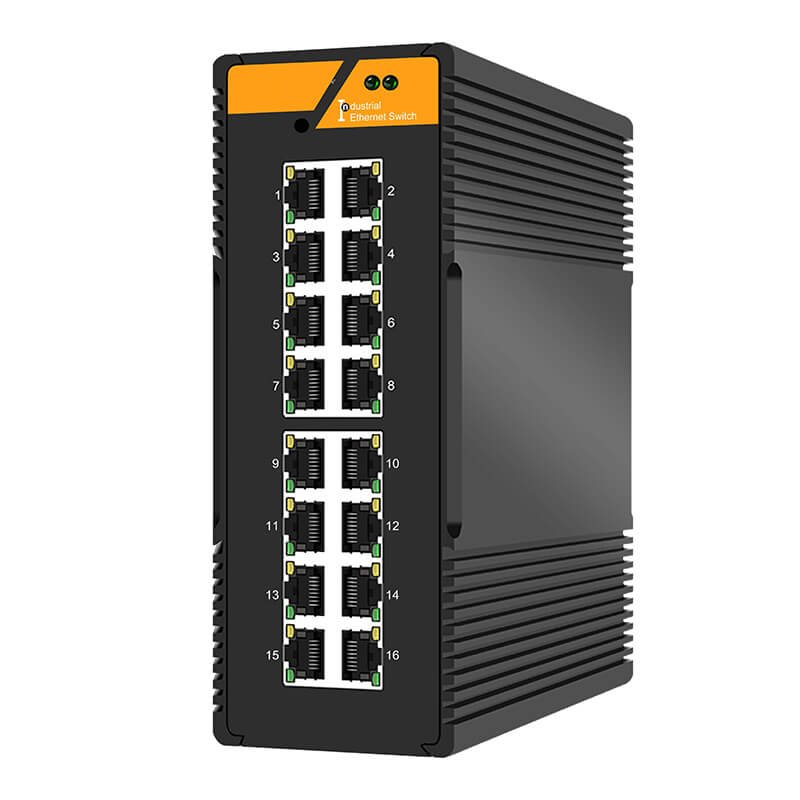
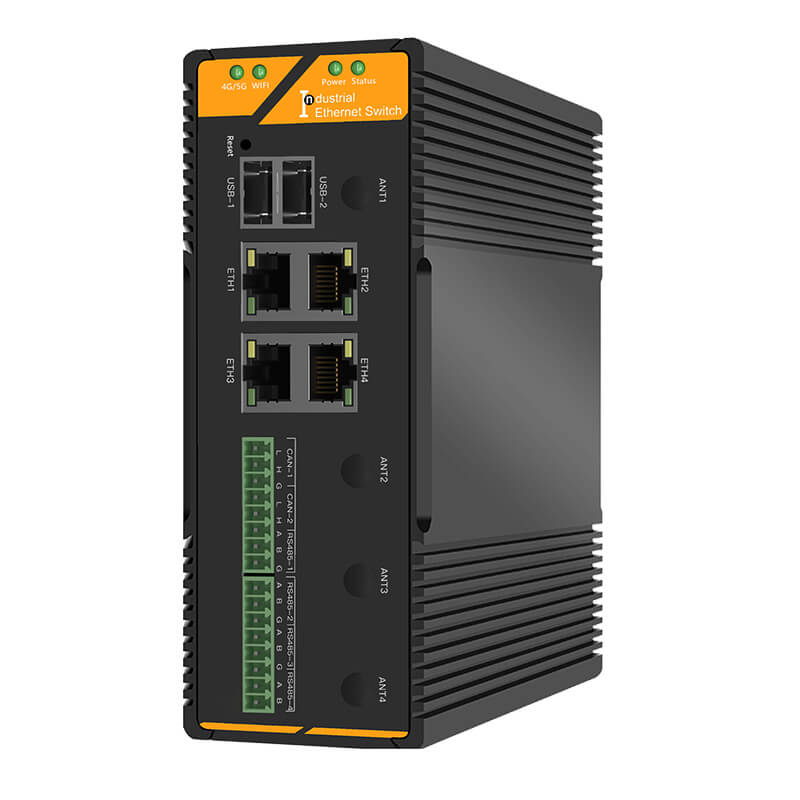
Industrial & Enterprise Switches
Provide stable connections for 5G small cells, servers, and IoT devices in both factory and office environments.


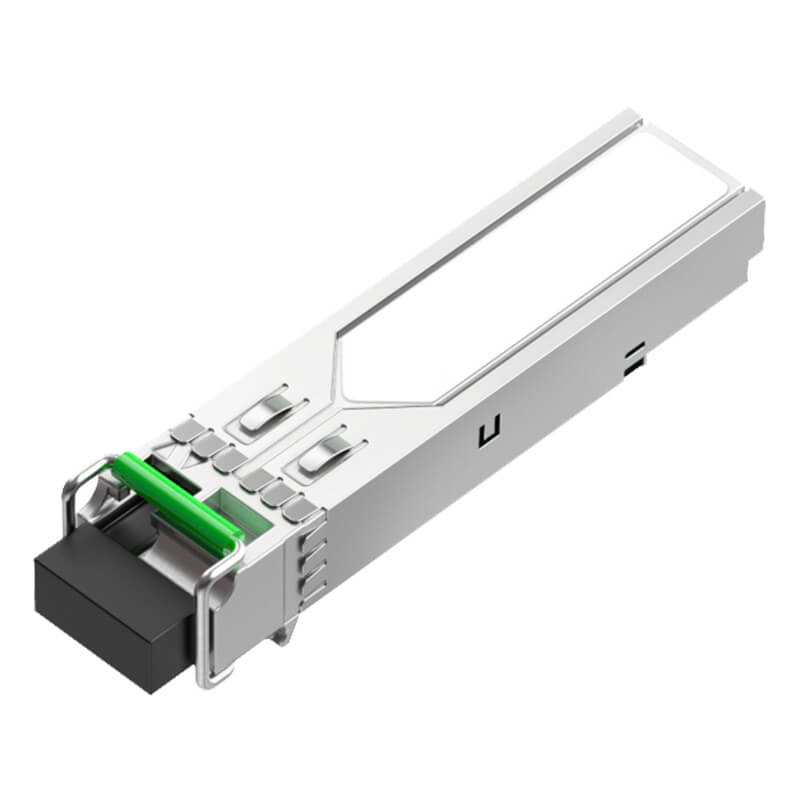
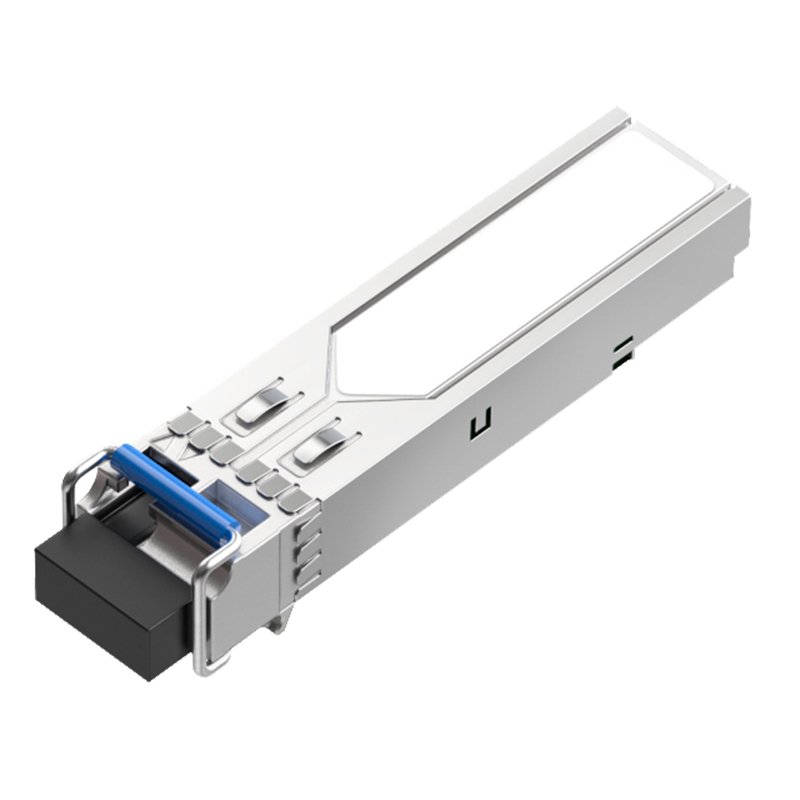
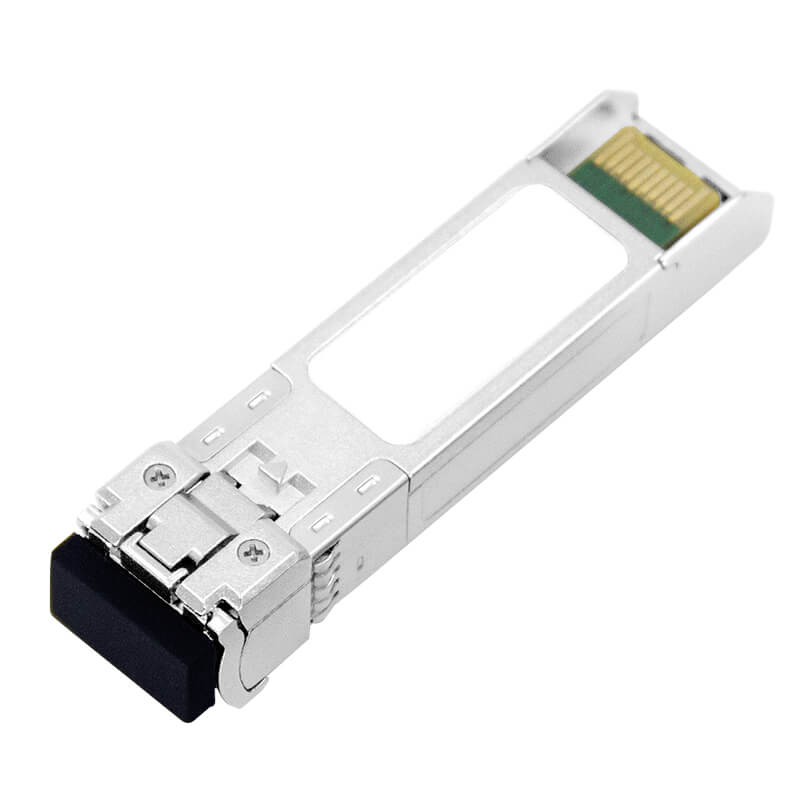
Optical Transceivers
Used in fronthaul, midhaul, and backhaul networks that connect 5G base stations to the core network.
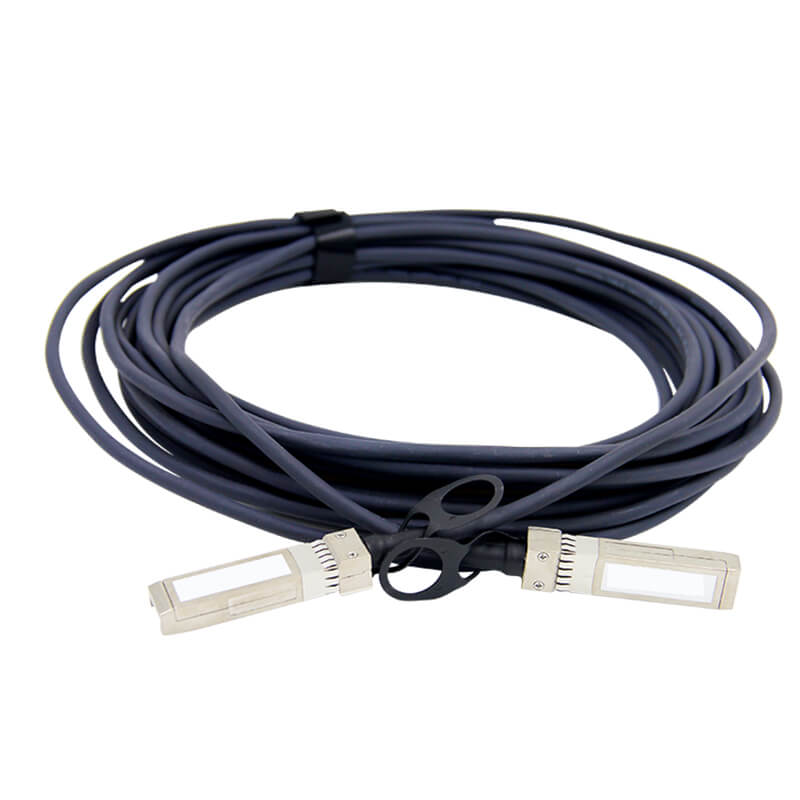
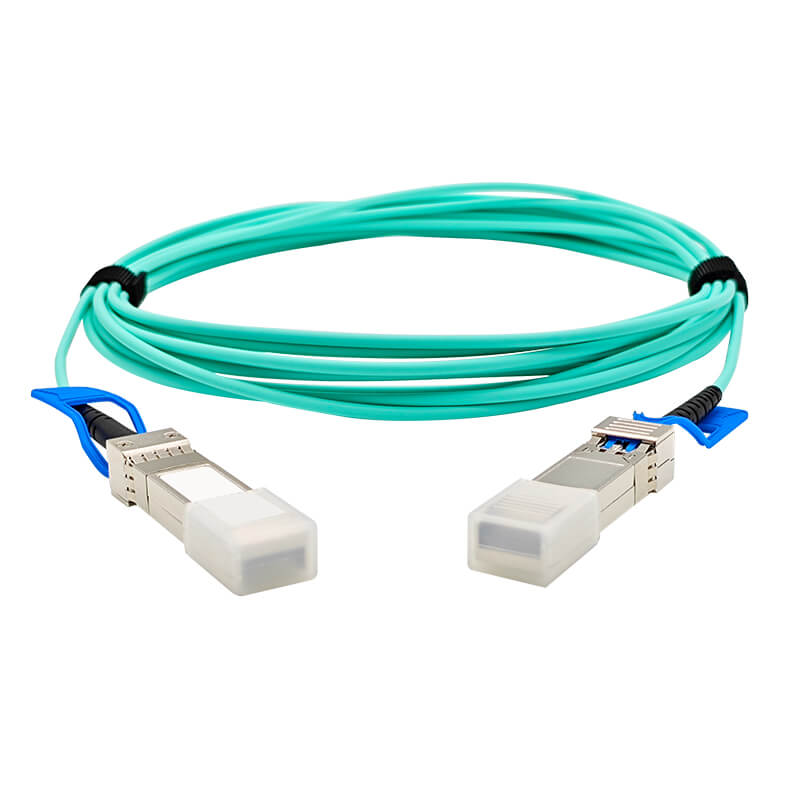
AOC & DAC High-Speed Cables
Offer flexible and low-latency connections for data centers, edge computing units, and enterprise network equipment.
5G Routers and Gateways
Deliver high-speed wireless access for mobile devices, IoT systems, and home or business networks.
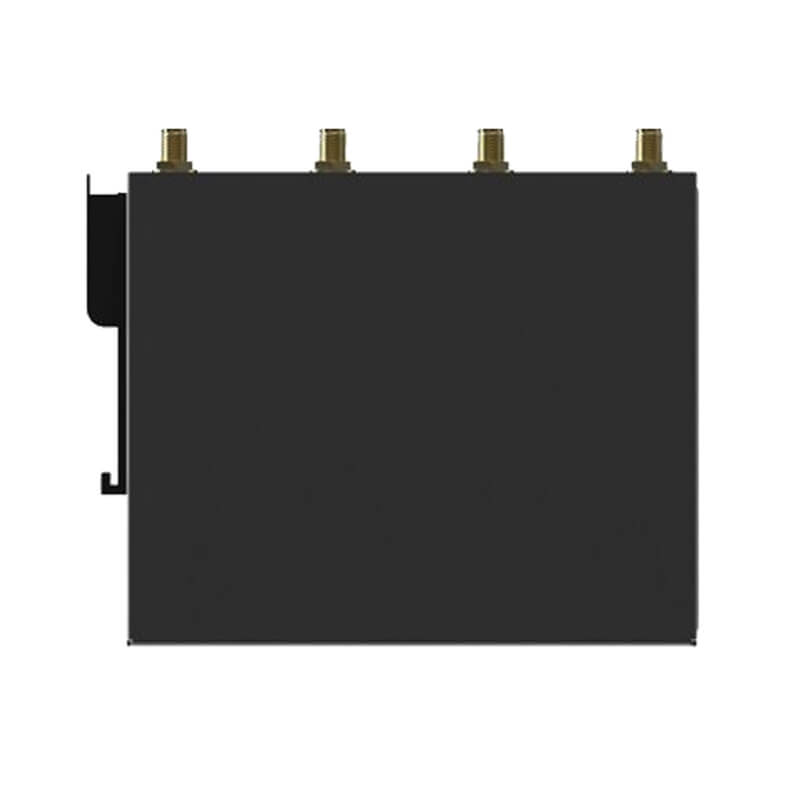
These products form the foundation that allows 5G to run smoothly. Without a reliable wired infrastructure, even the most advanced wireless technology cannot achieve its full performance.tit
Conclusion
5G is accelerating the digital transformation of industries, businesses, and homes. It supports automation in factories, cloud-based operations in commercial environments, and fast connectivity for consumers. However, achieving strong 5G performance requires stable, high-quality wired infrastructure built with switches, optical modules, and high-speed cables.
As 5G adoption expands, choosing the right network devices will help companies and households unlock the full potential of next-generation connectivity and build a smarter, more connected future.