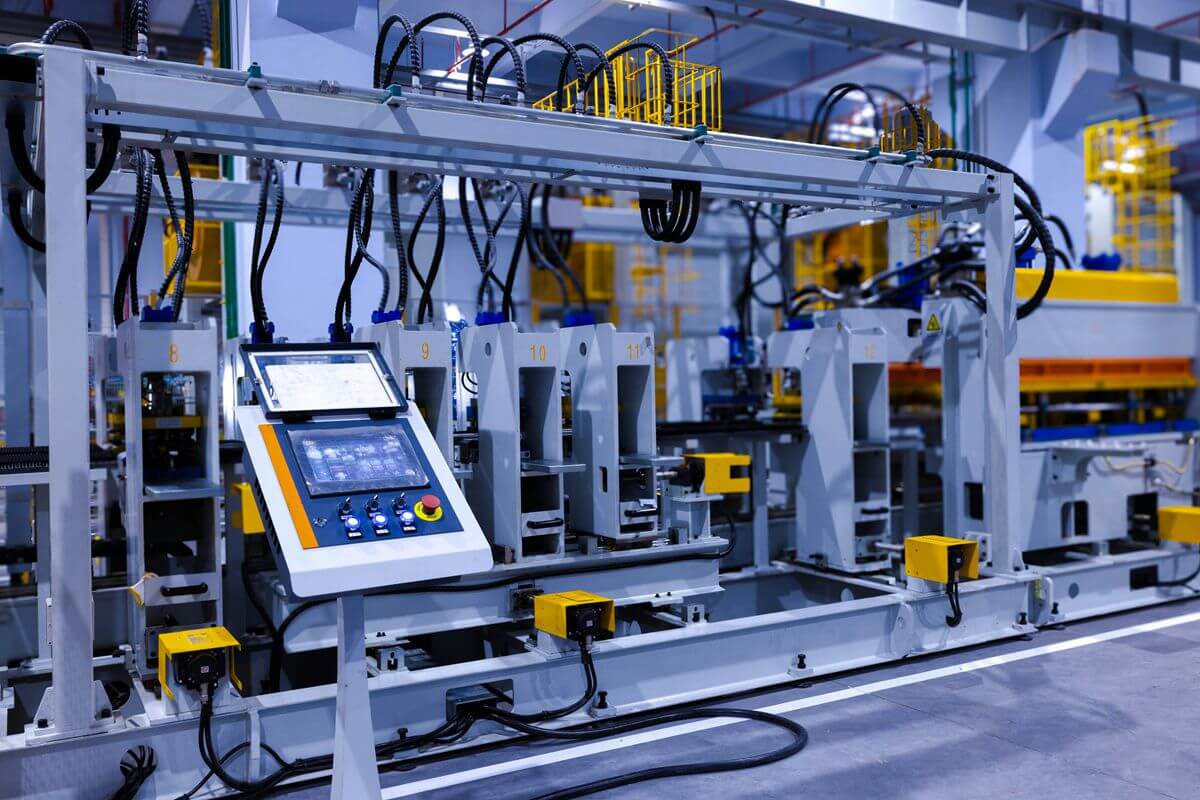
Industrial switches serve as the backbone of factory automation, energy grids, and transportation systems. Unlike commercial switches used in offices, they operate in harsh settings where dust, moisture, and corrosion threaten performance. A single failure due to poor environmental protection can halt production lines or disrupt critical infrastructure. This article explores how to shield switches from these threats and ensure reliable network operation.
The Hidden Risks of Dust, Moisture, and Corrosion
Many industrial sites underestimate environmental hazards until failures occur. Dust accumulation is a primary issue in mines, cement plants, and textile factories. Fine particles as small as 75μm can enter unprotected switch casings, clogging cooling fans and shorting circuit boards. The International Electrotechnical Commission (IEC) notes that dust-related failures account for 32% of industrial switch malfunctions in high-particle environments. You can access the IEC 60529:2020 standard for dust testing at https://www.iec.ch/standardization/sector3/tc48/sc48b/.
Moisture poses equal danger in food processing plants, wastewater treatment facilities, and outdoor installations. High humidity (above 90% RH without condensation) degrades electrical insulation and causes component rust. Even brief water exposure—from cleaning sprays or rain—can trigger immediate shutdowns. IEEE research shows that switches in humid environments have a 47% shorter lifespan than those in controlled conditions.
Corrosion is more insidious, common in chemical plants, coastal areas, and wastewater sites. Sulfur dioxide, salt spray, and industrial chemicals react with metal components, eroding connectors and PCBs. The National Electrical Manufacturers Association (NEMA) reports that unprotected switches in coastal regions fail 2.3 times faster than inland counterparts. NEMA’s corrosion resistance standards are available at https://www.nema.org/standards/products/industrial-controls.
Core Protection Standards and Design Solutions
Two key standards define switch environmental protection: IEC IP (Ingress Protection) codes and NEMA ratings. These standards provide clear benchmarks for selecting the right switch for specific environments. The table below compares common ratings and their applications:
| Protection Type | IEC IP Rating | NEMA Rating | Key Capabilities | Typical Applications |
|---|---|---|---|---|
| Dust Protection | IP6X | NEMA 4X | Complete dust exclusion | Mines, cement factories |
| Moisture Protection | IPX7 | NEMA 6 | 1m water immersion for 30 mins | Wastewater plants, outdoor kiosks |
| Corrosion Protection | IP67 + Special Coating | NEMA 4X | Resists salt spray and chemicals | Coastal facilities, chemical plants |
Beyond meeting standards, effective protection relies on thoughtful design choices. For dust resistance, manufacturers use sealed casings with no ventilation gaps and filter-free cooling systems—avoiding fan-driven dust suction. M12 threaded connectors, instead of standard RJ45 ports, create a tighter seal that prevents particle entry.
Moisture protection requires robust sealing and drainage. Rubber gaskets around casing lids and port covers block liquid intrusion, while drainage holes redirect accidental spills. Some switches also include humidity sensors that trigger alerts when moisture levels rise, enabling proactive maintenance.
Corrosion defense involves material upgrades. Stainless steel casings replace regular steel, and gold-plated connectors resist oxidation. Special chemical-resistant coatings, such as polytetrafluoroethylene (PTFE), add an extra layer against harsh substances. These design features extend switch lifespan by 60% in corrosive environments.
Practical Selection and Maintenance Tips
Choosing the right protected switch starts with a site assessment. Identify primary hazards—for example, a coastal power plant faces both moisture and salt corrosion—then match ratings accordingly. Avoid over-specifying: an IP68 switch is unnecessary for a dry warehouse and will increase costs unnecessarily.
Installation practices also impact protection. Mount switches above floor level in wet areas to avoid standing water. Use conduit for cabling to prevent water from seeping through cable entries. For outdoor installations, add sun shields to reduce temperature fluctuations that can cause condensation.
Regular maintenance preserves protection over time. Follow this simple checklist to avoid degradation:
- Inspect seals monthly for cracks or wear, replacing them if damaged
- Clean casing exteriors quarterly with a dry cloth—avoid water or chemical cleaners
- Test humidity and corrosion sensors annually to ensure accuracy
Future Trends in Environmental Protection
Advancements in smart technology are enhancing switch protection. AI-powered sensors can now predict seal degradation by monitoring pressure changes inside the casing, alerting technicians before failures occur. This predictive maintenance reduces unplanned downtime by 35% compared to reactive approaches.
Modular designs are also gaining popularity. These switches allow users to replace damaged protection components—like gaskets or coatings—without replacing the entire unit. This not only cuts maintenance costs but also reduces electronic waste, aligning with sustainability goals.
Conclusion
Dust, moisture, and corrosion are persistent threats to industrial switches, but proper protection is achievable through standard compliance, thoughtful design, and proactive maintenance. By selecting switches with appropriate IP or NEMA ratings, implementing robust installation practices, and following regular maintenance routines, operators can ensure reliable network performance even in the harshest environments. As smart technologies evolve, the future of switch protection will focus on prediction and sustainability—further enhancing industrial network resilience.